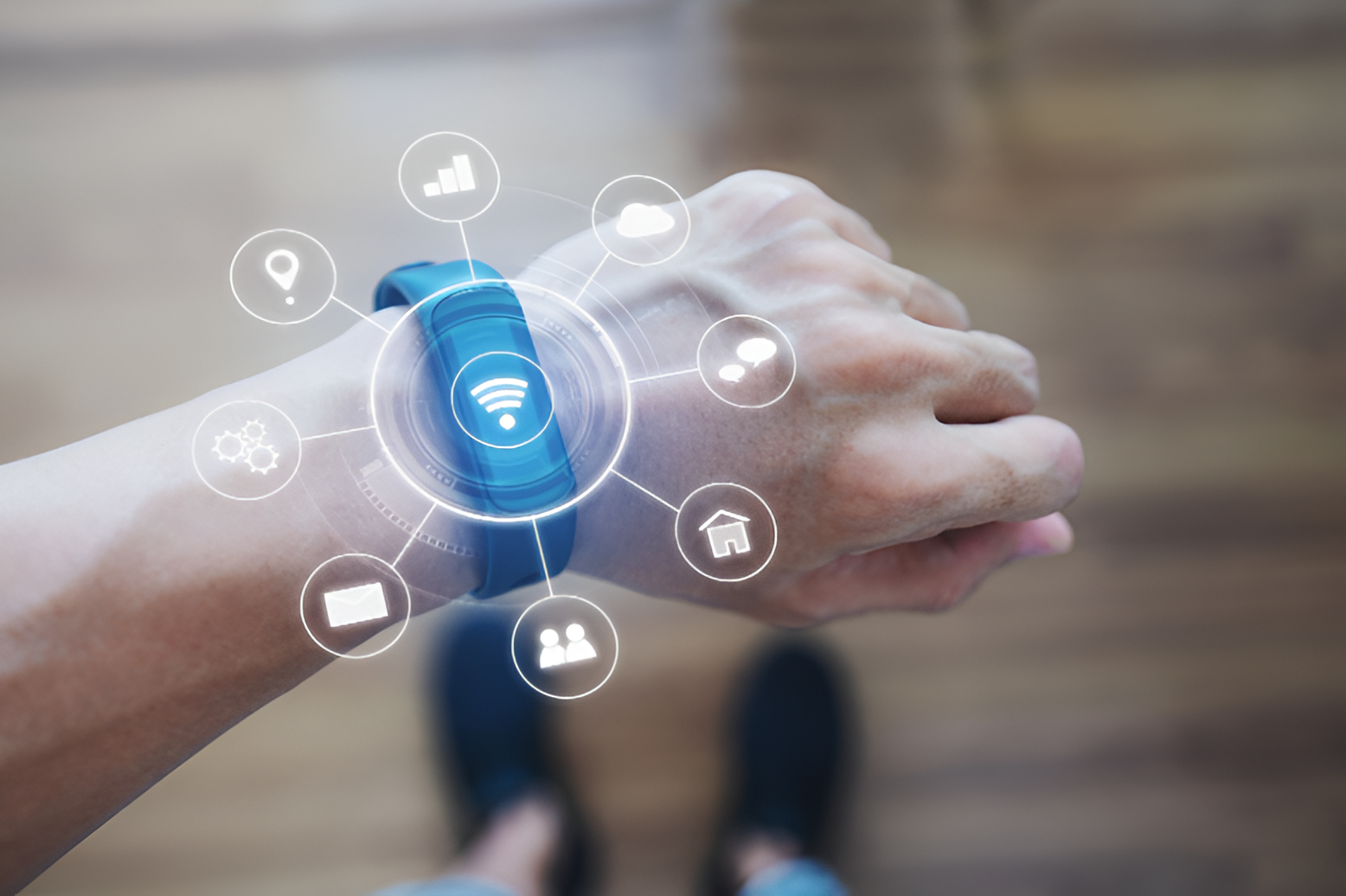
The last decade, smart gadgets have evolved from luxury novelties to essential tools that reshape how we live, work, and connect with the world. From smartphones to smart refrigerators, these technologies are no longer just enhancing our convenience—they are revolutionizing the very fabric of our everyday lives. This article explores how smart gadgets are transforming our lifestyle, communication, health, homes, and even the way we think.
The Rise of Smart Technology
Smart technology refers to devices that connect to the internet and can interact with users and other devices intelligently. The rapid development of artificial intelligence (AI), machine learning, and the Internet of Things (IoT) has fueled the growth of smart gadgets. What started with the smartphone has expanded to include smart TVs, thermostats, fitness trackers, security systems, kitchen appliances, and even clothing.
Smarter Homes for a Smarter Lifestyle
One of the most visible impacts of smart gadgets is in our homes. The concept of a “smart home” has gone from futuristic fantasy to a common reality. Devices like smart thermostats, voice assistants (like Alexa and Google Assistant), smart lights, and home security cameras are now staples in many households.
These gadgets allow users to control their home environment remotely, automate tasks, and increase energy efficiency. For instance, a smart thermostat can learn your daily routine and adjust heating or cooling accordingly, reducing energy consumption and costs. Smart lighting systems can be programmed to mimic natural light cycles, improving sleep patterns and well-being.
Smart security systems also offer peace of mind with real-time alerts, motion detection, and remote access, making it easier than ever to protect our homes.
Health and Fitness: A Personalized Approach
Health and fitness have been significantly influenced by smart gadgets. Wearable devices like smartwatches and fitness trackers monitor heart rate, steps, sleep, and other health metrics, offering users a detailed insight into their physical well-being. These devices can track progress, set fitness goals, and even detect potential health issues early.
Smart medical devices, such as blood pressure monitors and glucose meters, now sync with mobile apps to help individuals and doctors manage chronic conditions more effectively. Telemedicine, made more accessible through smart devices, is reshaping healthcare by allowing virtual consultations and remote monitoring.
With these advancements, people are more empowered to take control of their health in a proactive and informed manner.
Changing the Way We Communicate
Smart gadgets have revolutionized communication, bringing us closer to friends, family, and colleagues, regardless of distance. Smartphones are now communication hubs, enabling not just calls and texts, but also video chats, emails, and instant messaging through various platforms.
Voice assistants and smart displays make information sharing and task management even easier. They can set reminders, send messages, or even place calls with simple voice commands. For professionals, gadgets like smart glasses and earbuds integrate seamlessly into workflows, enhancing productivity and real-time communication.
These technologies have played a pivotal role in maintaining social bonds during times of physical distancing, such as during the COVID-19 pandemic.
Education and Learning Reimagined
The education sector has also been transformed by smart gadgets. Tablets, laptops, and smartboards have become essential tools in modern classrooms, enhancing engagement and accessibility. Students can now attend classes virtually, access interactive content, and collaborate with peers from around the world.
Learning apps powered by AI can adapt to individual learning styles, providing personalized content and feedback. This makes education more effective and inclusive, particularly for students with learning difficulties or disabilities.
Parents and educators also benefit from smart tracking tools that monitor students’ progress and tailor interventions when needed, ensuring better academic outcomes.
Work from Anywhere: The New Norm

The workplace has undergone a massive shift, with smart gadgets making remote work not just possible, but highly efficient. Laptops, mobile devices, and cloud-based collaboration tools have enabled employees to stay connected and productive regardless of their location.
Smart gadgets like noise-canceling headphones, ergonomic keyboards, and digital whiteboards have created home office environments that rival traditional workplaces. Video conferencing platforms and project management apps ensure teams remain aligned and efficient.
This digital transformation has given rise to more flexible work arrangements, increased job satisfaction, and access to global talent pools.
Entertainment and Media on Demand
Gone are the days when entertainment was confined to a television set or a movie theater. Smart gadgets have completely redefined how we consume media. Smart TVs, streaming devices, and mobile apps offer endless entertainment options at our fingertips.
Whether it’s binge-watching a favorite series, listening to music, or playing immersive video games, smart technology has made it all more interactive and personalized. Features like voice control, content recommendations, and seamless synchronization across devices offer a user-centric experience.
Augmented and virtual reality gadgets are also gaining traction, offering new ways to explore media, from 360-degree videos to interactive storytelling.
Daily Tasks Made Effortless
Smart gadgets are helping us manage daily tasks more efficiently. Smart kitchen appliances like refrigerators that track inventory or ovens that can be controlled via smartphone are changing how we cook and plan meals.
Robot vacuum cleaners can clean floors autonomously, saving time and effort. Smart washers and dryers can notify users when cycles are complete or even suggest the best settings based on fabric type.
These small conveniences add up, freeing up time for more meaningful activities and reducing the mental load of household management.
Environmental Awareness and Sustainability
Interestingly, smart gadgets are also driving environmental awareness. Many smart home devices are designed to optimize energy use, reducing both costs and carbon footprints. Smart irrigation systems, solar-powered gadgets, and real-time energy monitoring tools encourage more sustainable living.
Even wearable devices are helping by promoting greener transportation choices like walking or cycling over driving. The data these gadgets collect can also be used by urban planners and environmentalists to create smarter, greener cities.
Challenges and Considerations
Despite their many benefits, smart gadgets come with challenges. Privacy and data security are major concerns, as these devices collect vast amounts of personal information. Ensuring robust cybersecurity measures and informed user consent is crucial.
There’s also the issue of digital dependency. As we become more reliant on smart gadgets, there’s a risk of reduced critical thinking and physical activity. Balancing convenience with conscious usage is essential.
Additionally, affordability and access remain barriers for many, highlighting the need for inclusive technological development.
The Future of Smart Living
The future promises even more integration of smart technology into our lives. Innovations in AI, 5G connectivity, and IoT will continue to push the boundaries of what’s possible. Smart cities, self-driving cars, and advanced wearable health tech are just the beginning.
As these technologies evolve, so will our relationship with them. The key lies in using them responsibly, ethically, and thoughtfully to enhance not replace human experience.
Conclusion
Smart gadgets are more than just tools they are enablers of a new way of living. From how we interact with our homes to how we manage our health, work, and relationships, these technologies are profoundly transforming our daily lives. While challenges remain, the potential for positive change is immense. As we navigate this digital age, embracing smart gadgets with awareness and intention can lead us to a more connected, efficient, and empowered future.